A Poem For Donald Sterling

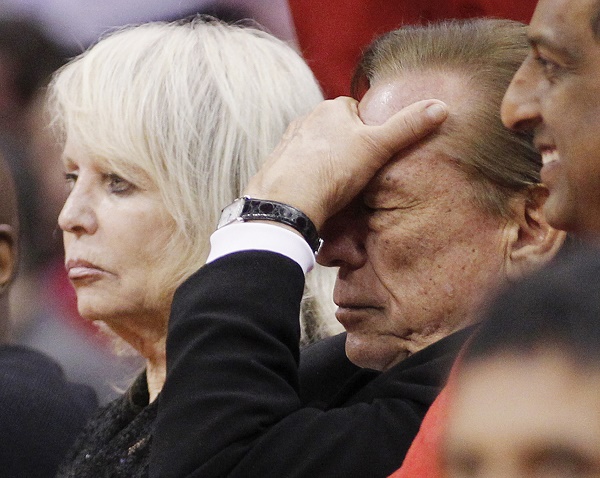
Los Angeles Clippers owner Donald Sterling (R) puts his hand over his face as he sits courtside with his wife Shelly (L) while the Clippers trail the Chicago Bulls in the second half of their NBA basketball game in Los Angeles December 30, 2011.
REUTERS/Danny Moloshok

If you live in L.A.
And play ball on parquet
While inhabiting skin that is brownish

You could be a victim
Of Don’s racist dictums
Defense of which makes him look clownish

He and his missus
Got most of their riches
From selectively renting out housing

To Caucasians and Asians
All other persuasions
Were discouraged from so much as browsing

Not much of a husband
He’d long been accustomed
To openly flaunting his honeys

So how apropos
To see him brought low
By a “girl” he called his “funny bunny”

To her friends he objected
But he never detected
That his views were being recorded

He bought her a Ferrari
This V. Mata Hari
And this is how he was rewarded?

His allies soon vanished
From the league he was banished
And forced to pay a large penalty

It was no time for glibness
He begged for forgiveness
And appealed to America’s empathy

But dollars and cents
Haven’t bought Sterling sense
By speaking, he only seemed meaner

With absence of caution
He dissed Magic Johnson
And dug himself in even deeper

For the good of us all
And to spare basketball
May his 15 minutes soon expire

Leave him his money
And his gold digging bunnies
But force that old man to retire

Los Angeles Clipper owner Donald Stirling in an updated photo.

Keep Me In the Picture

Image for "Photo Not Available"I recently began celebrating Throwback Thursday, digging through scrapbooks for mementos I can scan and post online for friends to laugh (or cringe) at. Sadly, as part of this exercise, I’ve been reminded of how seldom I appear in my own photographs from high school, and particularly college.

I’ve never enjoyed having my picture taken. In fact, I just took my first selfie in December. (It must have been comical to watch me try to line the shot up properly, first moving my iPhone left and right to capture my whole face… then holding the camera still and ducking back-and-forth like a bobble head. I briefly considered flagging down a teenager to help me, but we Gen X-ers have our pride.)

Shyness is partly to blame for me being MIA in photos, but a truer explanation is… I seldom wind up in front of the camera, because I’m usually behind it. I don’t recall exactly when the photography bug bit, but my parents bought me my first Canon 35mm as a high school graduation gift, and I never looked back.

Countless point-and-shoots and SLRs later, photography remains my most consistent, consuming hobby and my primary creative outlet. I may be an introvert, but my favorite subjects are people. Go figure. For me, nothing beats the satisfaction of capturing a key play at home plate, or a candid expression on a friend’s child’s face, complete with flattering shadows and a sparkle in the eye. I love landscapes taken by others, but mine always feel just so-so compared to my portraits — selfies not withstanding.

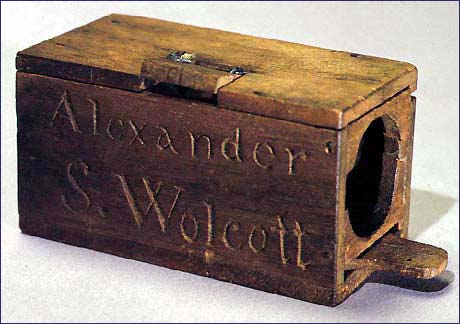
Alexander Wolcott CameraAnd so, on this Throwback Thursday, I celebrate the contribution of Alexander Wolcott. On May 8, 1840, aided by John Johnson Sr., he received the first US patent for photography (US Patent No. 1582) for the Daguerreotype mirror camera, which featured technology still in use today. By reducing sitting time for portrait subjects from 30 minutes to just five, the Wolcott & Johnson camera advanced photography by leaps and bounds. It didn’t have a lens, and it certainly wouldn’t fit in anyone’s pocket — but it was groundbreaking nonetheless.

Avant-garde portrait photographer Imogen Cunningham (1883 – 1976) once said, “Which of my photographs is my favorite? The one I’m going to take tomorrow.”

It’s true, photography is a journey, not a destination. No matter how pleased (or displeased) I am with a photo I took today, the moment captured is already history. Tomorrow, I can start fresh. Maybe I’ll even try a landscape. Or a still life. But will I dust off the auto timer for a self-portrait? Baby steps, people!


Old Habits Die Hard (With a Vengeance)

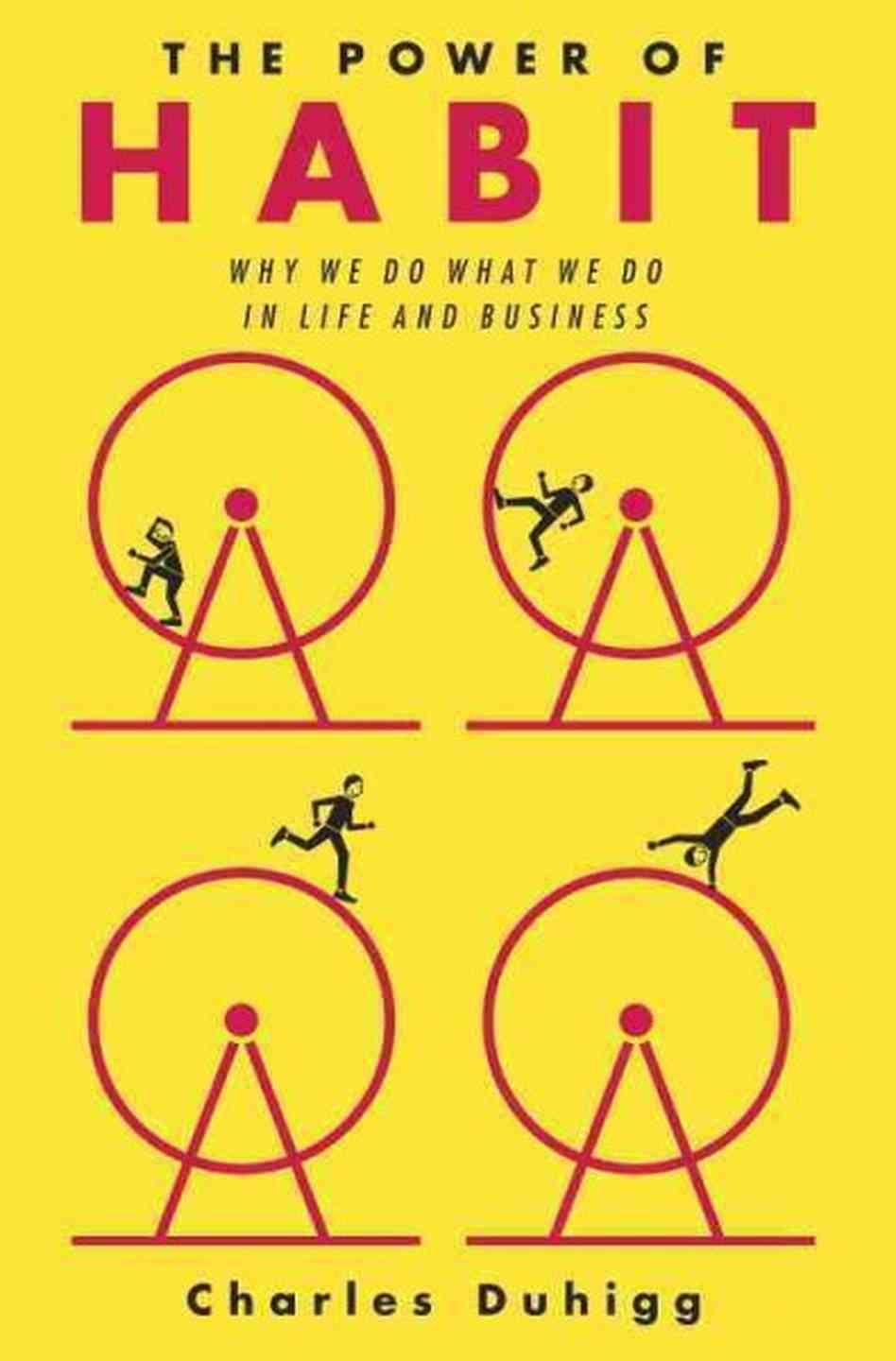
The Power of Habit book jacketEvery January 1st, most of us set out to make behavioral changes — often with humbling results. For many, an annual list of resolutions can look more like a pie-in-the-sky bucket list, with no identified means of successfully reaching our goals. I’ve written about this before.

Of course, it’s one thing to map out very thoughtful, specific lifestyle changes we need to make… and altogether another to make them. Why is breaking bad habits, and picking up good ones, so difficult?

The answer may lie in the book The Power of Habit: Why We Do What We Do in Life and Business, by Charles Duhigg. It turns out even the most introspective, well-intentioned and strong-willed among us are going about this self-improvement business all wrong.

Extensive research into the physiology behind human behavior has proved that habit forming is one of the most primal brain functions of men – and mice. Once patterns associated with habits develop in our basal ganglia, they are there to stay.

For example, a mouse can be trained to run a maze each day with greater and greater speed and efficiency, to reach a piece of cheese. If researchers move the cheese, the mouse will learn the new path to it – in other words, form new habits. (It may also ask its mouse buddies, “Who moved my cheese?”.) But if the cheese is later returned to its original location, the mouse will quickly resume its old route through the maze, without having to “relearn” it. The habits associated with the original route were only displaced – not replaced — by later ones.

So if we can’t erase bad habits – if they are always lurking somewhere deep in our brains – what’s a body to do?

Duhigg defines habits as being composed of four elements that are closely interwoven:

  • Cues
  • Routine behavior
  • Rewards
  • Cravings

Cues are signs we may not even be aware of that provoke specific, habitual behavior. An example from the book: Duhigg developed a habit of stopping by his workplace cafeteria for a cookie break each day at about 3 p.m. Time of day was the cue.

The habit loop, from The Power of HabitHere’s where it gets tricky: The routine wasn’t just eating and the reward wasn’t simply the cookie. WHEN and WHERE did he eat it, and what else was he doing while he ate it? If he always had his snack while chatting with his friends, maybe the reward was camaraderie and not the cookie itself?

All Duhigg knew was, whenever he tried to skip his cafeteria run he suffered cravings, ostensibly for a sweet treat, that hindered his ability to kick the cookie habit.

At the risk of oversimplifying, Duhigg contends that the key to changing a negative behavior is recognizing what triggers it and the need it is really meeting, and finding a more constructive routine that will meet that need and extinguish the craving.

Naturally, I wasn’t able to finish the book before I began analyzing my own habits, and I had a few epiphanies. For example, throughout my adult life I’ve always been very motivated and disciplined about exercise. I had an ingrained morning workout habit, the cornerstone of which was running. Then, two years ago, I injured my knee. X-rays showed I had worn out the cartilage, and unless I wanted to hasten a knee replacement I needed to find a new form of exercise.

I loved running for several reasons. For starters, I could do it anywhere – outdoors, or on a treadmill. I would just slip on my headphones, and get lost in the rhythm of my feet and the music. By the time I’d finished, I had sustained a heart rate of 160 beats per minute for some time, and the endorphins had kicked in.

Since my diagnosis, I have struggled mightily to maintain a gym regimen. My workout mojo has made a run for it, so to speak. I wondered how a 30-year exercise habit could desert me, just like that?

Feet running on a treadmillNow I get it; working out wasn’t my habit. RUNNING was my habit, and the zoning out and endorphins were my rewards. Unfortunately, there’s not a spin class in existence that can deliver anything similar – especially a good zone out, what with the teacher barking out instructions to pedal faster, visualize a big hill up ahead and so on. So my mission is to get on track with a new low impact, high-intensity workout regimen, that also helps clear my head.

Another important ingredient to adjusting old habits, and building new ones, is simple on its surface: support from others. Whether you are in Alcoholics Anonymous or Weight Watchers, access to cheerleaders who reinforce the belief that “you can do it” can determine success or failure. This brought about another light bulb moment for me. While some of my friends freely share their personal goals such as weight loss, even going so far as to discuss their starting weight and pounds to lose with others, I’ve always kept the details of my resolutions private. Perhaps I’d be more successful with the really sticky ones – the ones that stump me year after year – if I enlisted support from my friends or other connections. No man (or woman) is an island, am I right?

The Power of Habit goes beyond personal tendencies, to address workplace habits that collectively make up corporate cultures – for better or worse. Every firm has them. For example, I once worked on a team where “busy” was the default answer to the question, “How are you?” Why couldn’t anyone ever respond with, “I’m great, how are you?” It drove me nuts! The cue was the question, obviously, but what was the reward? Sympathy? Perceived credibility and value? A lighter workload in the future? Stay tuned, I’m still working through that one.

Duhigg can at times extend the definition of habit so far, he loses me. I am still skeptical about his theories on the role habit can play in civil unrest and political movements. Still, there’s enough food for thought in The Power of Habit to keep me in a state of self-analysis for weeks or months to come.

Could greater awareness of my habits, become a habit in itself?

Despicable He… and She: Donald Sterling, V. Stiviano and the Color of Money

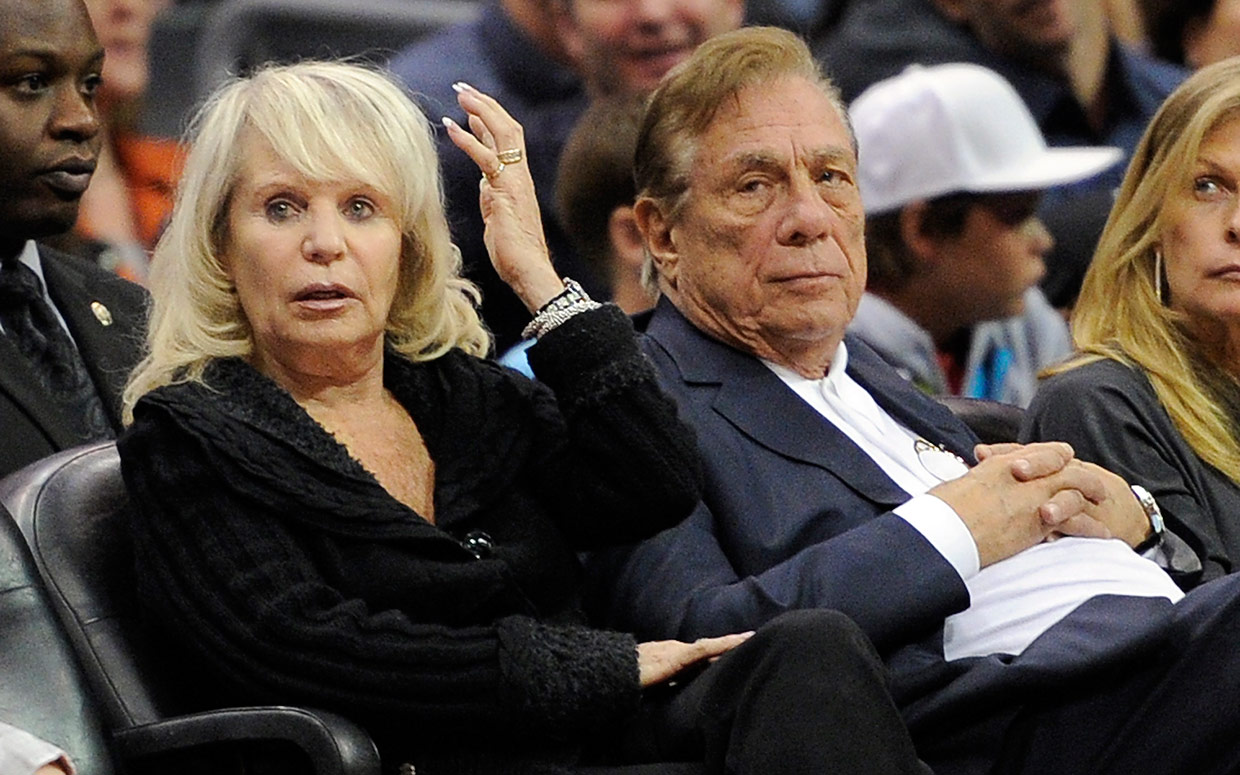
LA Clippers owners Donald and Rochelle Sterling
Donald and Rochelle Sterling

Unless you’ve been living under a rock this week, you are familiar with the imploding universe of Donald Sterling, owner of the Los Angeles Clippers. Most of the voices raised on the subject in social and traditional media have condemned Sterling for his racist views, and his spooky, self-involved, rich white guy perspective on the world. Nobody is really arguing that the man is anything except a blight on society. That’s a good thing. Phew.

Coverage around the recordings of a conversation between the 81-year-old Sterling and 31-year-old V. Stiviano, in which he admonishes her for posting photos of herself with African-Americans on social media, were fascinating. For starters, there was the news media’s classification of Stiviano as Sterling’s girlfriend, without even a touch of irony. I guess once the wife finds out about you, and sues you for fraud, your status is automatically upgraded from mistress to girlfriend.

Also interesting: When the story broke, I immediately wondered… Isn’t recording someone without his/her consent illegal in California? Granted I wasn’t particularly concerned about Donald Sterling getting duped right about then, but I did find it curious that this wasn’t discussed until DAYS afterward. Also no one in the media seemed too interested in speculating about who might have leaked the tapes. Would establishing that context simply have taken too long given our 24-hour news cycle?  Or was the story just too juicy to waste time questioning the motives of a potentially vengeful woman?

Sterling is a reprehensible bigot who deserves the shit storm raining down on him — that’s not the issue — but some bloggers and pundits wisely wonder about the slippery slope of personal thoughts, expressed privately and taped surreptitiously, bringing about personal ruin. It’s a fair question. It’s easy to support free speech when you agree with what the other guy is saying, but in our increasingly religiously and politically polarized society, can anyone be so certain he or she will never hold a view that’s considered repugnant by someone with power? Where does the right to privacy fit in here?

It’s always intriguing (in a train wreck kind of way) when someone educated, powerful and professionally successful has a view of the world that makes you wonder how he has managed to function in normal, polite society – let alone strike it rich. For example: Sterling’s narcissistic contention that he provides “food, and clothes, and cars, and houses” to his players.

“Who gives it to them? Does someone else give it to them?”

Um, actually no one GIVES players those things. They hone their elite athletic talent over many years until they enter the NBA, where they receive huge flipping contracts dictated by the MARKET — not Donald Sterling. Then, they buy their own stuff with the money they’ve earned.

Isn’t it more accurate to say that thanks to their hard work and skills on the court, LA Clippers players have attracted fan dollars, which paid for the Bentleys, Rolls Royces and pricey condos that made it possible for Sterling to land the trophy girlfriend who ultimately brought him down?

You’re welcome.

One of the biggest head-scratchers in the Sterling fiasco is a Huffingtonpost.com blog post, About a “Girl” Who Refused to Just Shut up and Take Orders, by Dr. Peggy Drexler, described as an author, research psychologist and gender scholar.

(In the Sterling recordings, V. Stiviano wonders how a “scholar” like him can hold such narrow, prejudiced views. Sterling and Drexler are both scholars, huh? I’m thinking maybe there’s a new definition of “scholar” floating around I’m not familiar with…)

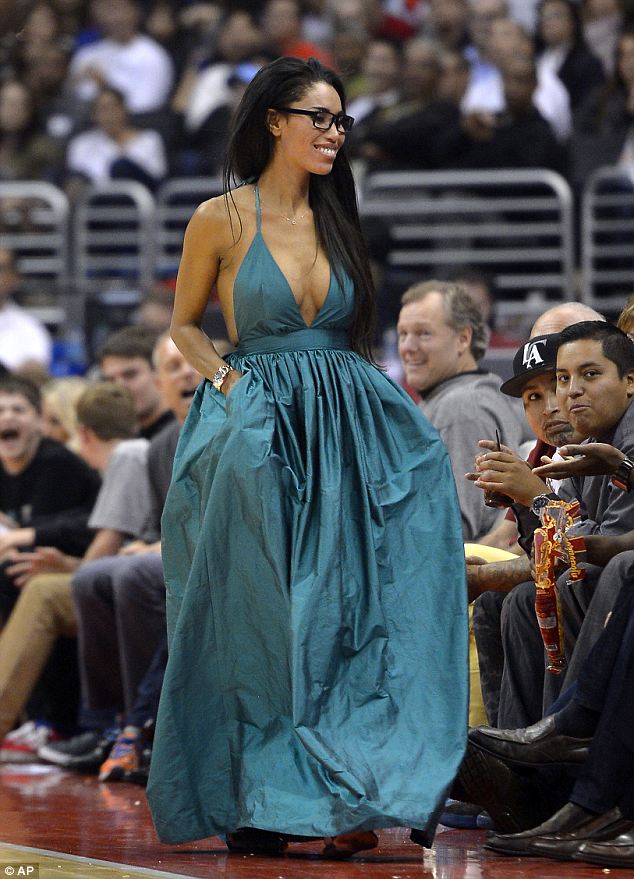
V. Stiviano
These glasses make me look smart, right?

Drexler seeks to paint Stiviano as part victim, part Norma Rae-style feminist. She is extremely generous in giving V.’s intentions the benefit of the doubt. When considering whether she’s a gold-digger, and/or a vindictive ex, Drexler’s message is, don’t judge! What’s more, given Sterling’s bullying (“I don’t want to change. If my girl can’t do what I want, I don’t want the girl”), she positions Stiviano’s alleged decision to record the conversation, then leak it to the press, as brave and powerful because she refused to “just shut up and take orders”.

“She used her voice and her power to shine a light on abhorrent behavior… Her actions have resulted in real change… What’s more, you could argue that the woman on the recording didn’t really set up the man on the recording; instead, she let events play out in a way that seemed quite characteristic for the Clippers owner.”

Well technically, I think she used STERLING’s voice to shed that light — but why quibble?

I agree, Donald Sterling made his bed and should have to lie in it — but to suggest that Stiviano is some sort of modern-day Robin Hood for racial equality is laughable, since she took her stand only AFTER accepting a bigot’s $1.8 million condo near Beverly Hills, and several luxury cars.

I am reminded of the old saying about clocks: even broken ones are right twice a day.

Let’s all be glad that Donald Sterling has been exposed as the racist jerk he is, and hope he’s bounced from the NBA as soon as possible. The league, and the nation, will be better for it. But let’s also not celebrate V. Stiviano as the next Rosa Parks.

Instead, let’s just hope her 15 minutes of fame are nearly up. Unfortunately, I’m already getting a faint whiff of (*groan*) reality TV in her future.

I’ll Forever Be Loyal…

Most of the time, when I tell a guy I’m a hardcore fan of both the Cleveland Indians (my Major League Baseball team growing up) and the San Francisco Giants (my local team of 15+ years) he’ll respond, “You can’t do that”.

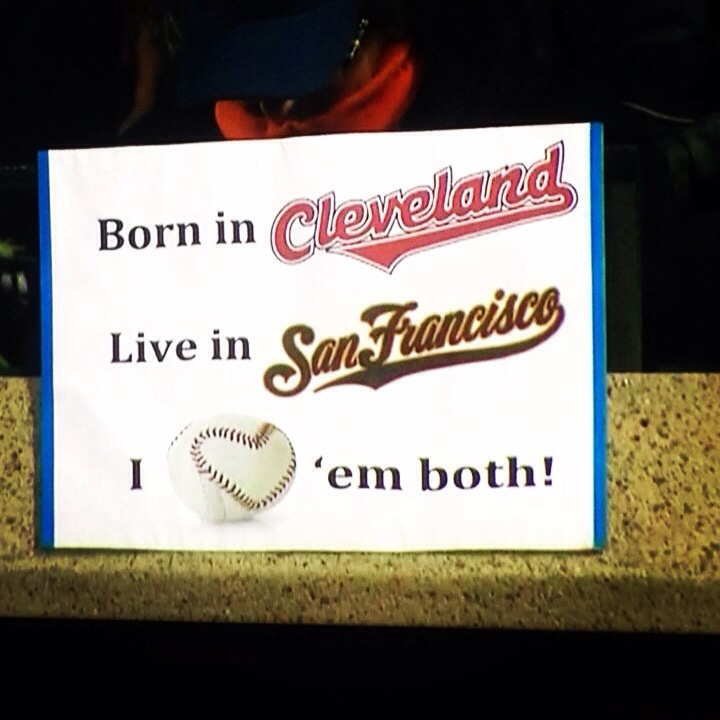
Can so, can so! And so, apparently, can a woman who attended Friday night’s Indians/Giants game at AT&T Park. Her sign pretty much sums it up. Thanks for representing, girlfriend. (P.S. I like your scarf!)

In case you are wondering how I’ll cope if the two teams ever play one another in the World Series, I say… BRING.IT.ON.  Seriously, I’ll worry about that happy, earth-shattering, first-world dilemma when I’m faced with it. Maybe this year…

“Let me live that fantasy.” (Lorde)


Sign seen at AT&T Park. "Born in Cleveland, Live in San Francisco, Love 'em both!" April 25, 2014.

Cleveland Indians: Swept Away

It was a gorgeous day at AT&T Park, where not much happened… until this happened:

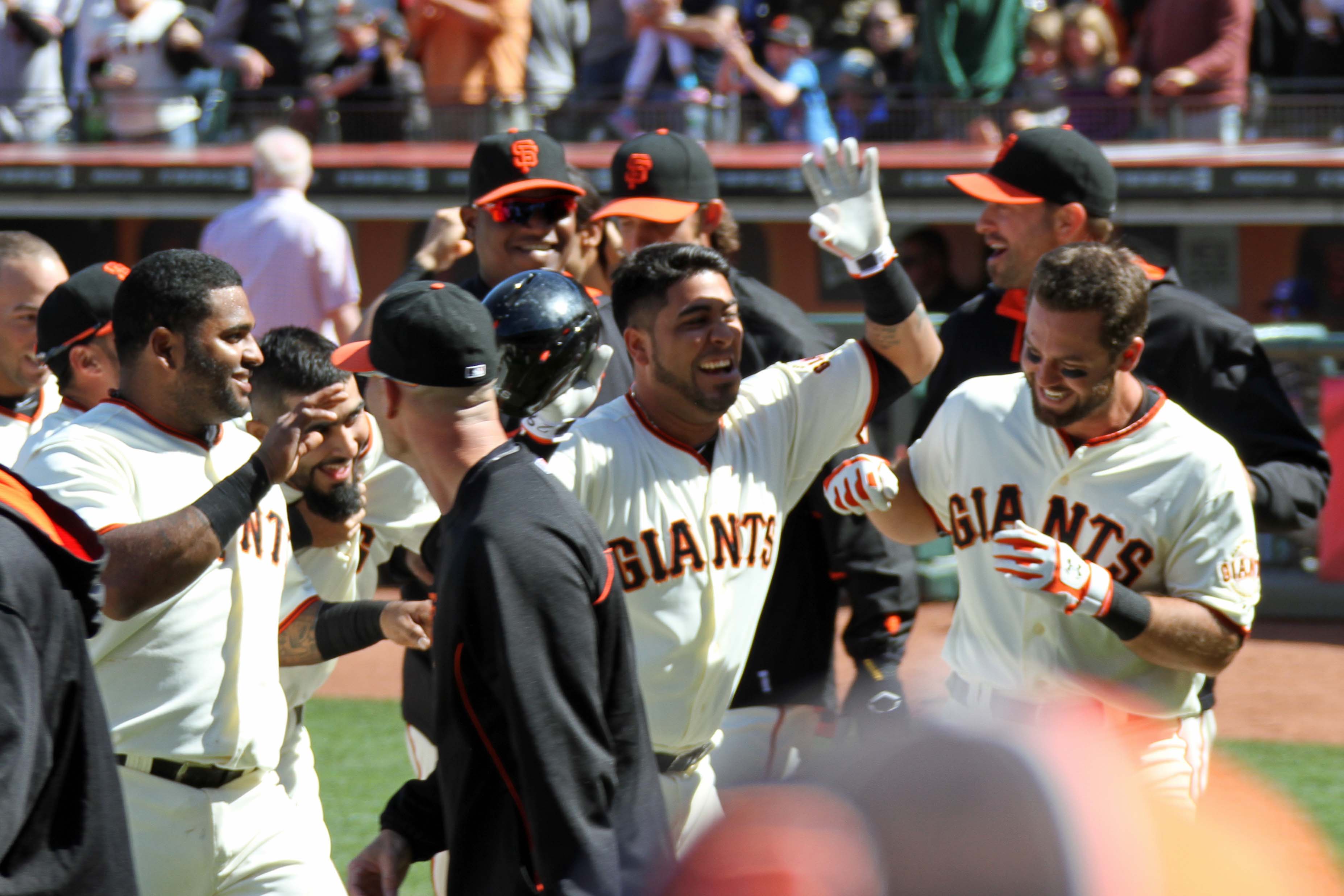
The San Francisco Giants celebrate Brandon Hicks' 3-run walk off home run against the Cleveland Indians. AT&T Park. April 27, 2014.
Walk Off!


San Francisco Giants shortstop Brandon Hicks hit a three-run walk off home run in the 9th inning to beat the Cleveland Indians, and make it a clean sweep of the three-game series for the Giants. For most of the game, it seemed as if the lack of familiarity with either pitcher would translate into low scoring — until Hicks got the pitch he acted as if he’d been waiting for all day. Final score: 4-1.

I’m sorry for my Tribe, but thankfully this won’t be my last chance to see them play live in 2014.  I’ll be catching a game in Seattle in June and, aside from my ongoing fantasy of someday moving to the emerald city, I have no affiliation with the Mariners. The Indians will have my 100% loyalty, and there will be no hand wringing over which team’s cap I’ll wear.

Now, please enjoy the pics, as I excuse myself to curl up on my sofa under a down comforter and spoon with a bottle of Vicks NyQuil.

This slideshow requires JavaScript.


Giants vs. Indians: For Me, There’s Always a Bright Side

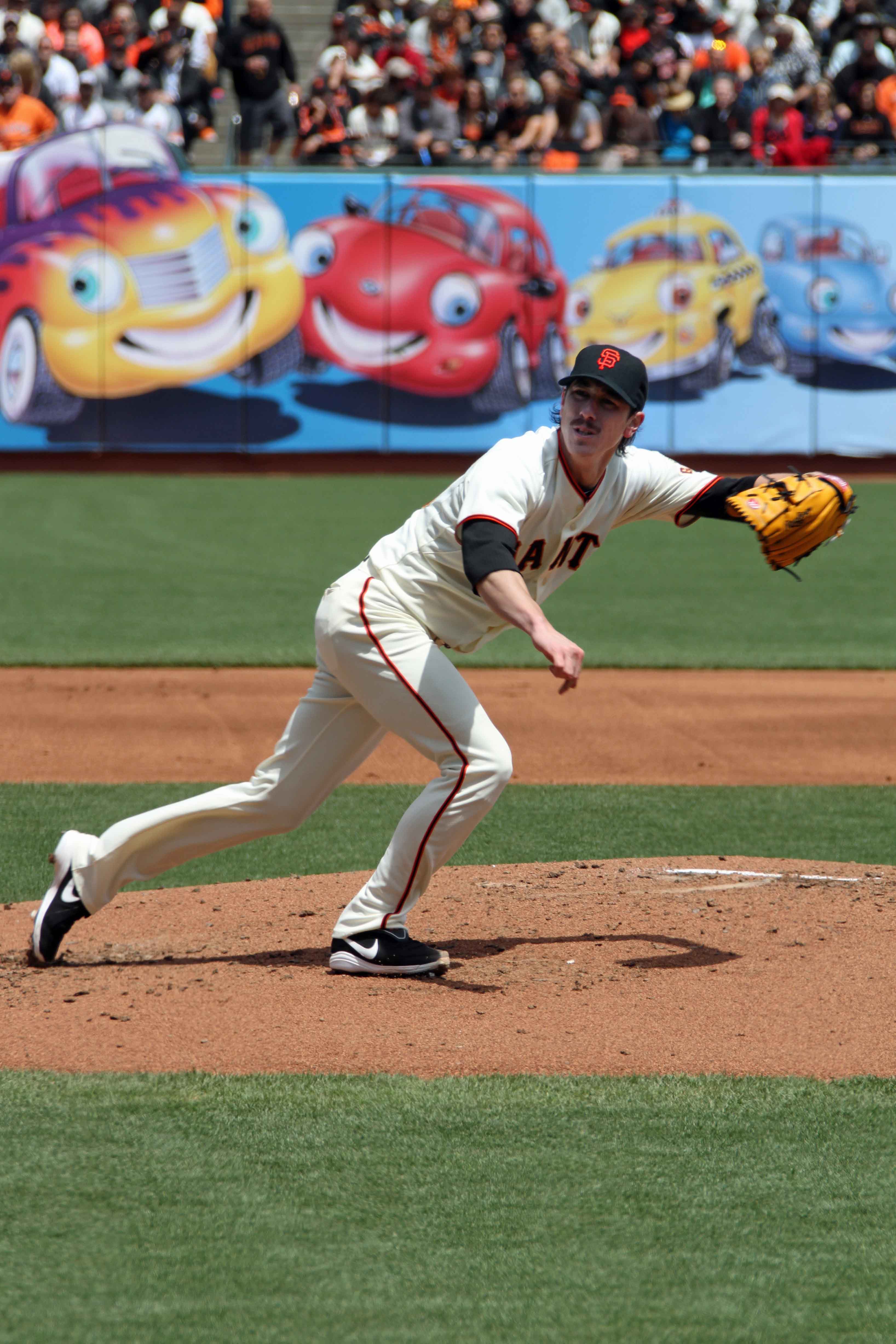
San Francisco Giants pitcher Tim Lincecum on the mound at AT&t Park. April 26, 2014Yesterday, I watched the Cleveland Indians battle the San Francisco Giants at AT&T Park. The Tribe started out strong, and led into the fifth inning – that’s when things started to fall apart. Thanks to big hits by Hunter Pence, Gregor Blanco and Buster Posey (HR), the Giants came back to win 5-3.

I’m always a little torn when the Giants and Indians play each other. For this series, in the name of fairness, I got one ticket near the visitors dugout (Saturday) and one near the Giants dugout (today). I bought them quite a while ago, not knowing who would be pitching. There I was, in my red and blue Tribe gear, while my favorite Giant Timmy Lincecum was on the mound. I felt like a monster.

Back then I also had no idea the games would coincide with the worst cold I’ve had in years. For the past two days I’ve felt like someone is riding a pogo stick inside my sinuses, my throat is raw and glands in my tongue are so swollen I can barely talk. Luckily I didn’t buy a ticket to Friday night’s game. The Indians played poorly, and if the preponderance of stocking caps, scarves and down jackets I saw on TV were any indication, it was FAR too cold out there for a sickie like me.

So to recap: I stayed home for game one, and the Tribe lost. Yesterday I sat in Tribetown and wore my Indians gear… and they lost again. Today I have a ticket near the Giants dugout, and I suppose I’ll wear Giants gear.

If the Tribe doesn’t get the win, it’s possible that whether I go to a game – and what I wear to it – has no bearing on how well a team performs. In other words, the outcome has nothing to do with me, and my many superstitions?

I’m on lots of meds right now, but that would really be a bitter pill to swallow.

Draft Day: Who Let the Dawgs Out?

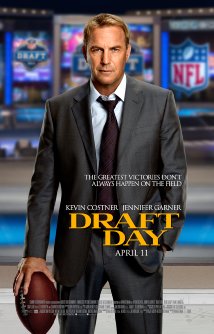
"Draft Day" movie poster, featuring Kevin CostnerLast night a friend — also of Buckeye origin — and I went to an early showing of Draft Day, a completely fictionalized account of the National Football League’s player draft process for the woeful Cleveland Browns. Fair warning, read further and I will spoil this movie for you.

Or will I? It’s not that great, so there’s not much to spoil.

Kevin Costner plays Sonny Weaver Jr., the Browns’ GM. His late father was the coach at one time, until Sonny fired him. (Hiss!)

Sonny’s goals on draft day are to salvage football in Cleveland, and resurrect his professional reputation. He would prefer to choose tackle Vontae Mack based on family values — Mack needs a big contract to support his two orphaned nephews! — and gut-feel, but the team’s owner pushes Sonny toward a draft-pick trade that will “make a splash”.

Here’s why I can’t possibly spoil Draft Day for you with this blog post: It’s clear from the moment Sonny accepts a really terrible deal, giving up three consecutive first-round picks to Seattle for a quarterback he has apparently never even done due diligence on, and isn’t sure the team needs, that:

  • The deal will go south, quickly
  • The head coach, played by Denis Leary, won’t like it
  • The QB Sonny is expected to draft will be an arrogant jerk, possibly with something unsavory in his past to disqualify him
  • Sonny will throw a Hail Mary of sorts, once the Browns are on the draft clock, that will incense the team’s owner — but ultimately leave the team better off than if the bonehead trade had never happened

Jennifer Garner, who I normally appreciate in just about any role, plays Ali, the team’s number cruncher as well as Sonny’s secret girlfriend. When she breaks the news on draft day that he’s going to be a father, she is shocked — SHOCKED — and hurt that he is a little preoccupied.

Ali is supposedly a lawyer, salary-cap-analyst extraordinaire and self-taught football wonk — all while teetering on four-inch heels — but she’s not smart enough to wait for a more opportune moment to share this joyous news? Like the day AFTER draft day?

Jennifer Garner and Kevin Costner, in a promotional still from Draft Day.I’m not sure I’ve ever seen an on-screen couple with less chemistry than Costner and Garner. For starters, I don’t think he touches her — not even a peck on the cheek — until the final scene. Ali exists just so that Sonny can pull her into the supply closet several times a day to talk about either his draft troubles, or his ambivalence about fatherhood. She reacts with an empathetic (or is it patronizing?) look and pursed lips, but no meaningful dialogue.

Also, any time she’s asked if a proposed draft choice will put the team over the salary cap, Ali does some mental math (out loud), and concludes, “we’ll look at it, but I think it could work”. So then, why do teams always make this salary cap stuff seem so difficult? It is obviously simple and straightforward. What a bunch of drama queens…

I cannot explain Ellen Burstyn as Sonny’s mom, who arrives straight from the reading of her husband’s will — just one hour prior to the draft — to scatter his ashes on the Browns’ practice field. Even Ali has better timing!

It is also not clear why she brings along a pouting Rosanna Arquette, Sonny’s ex-wife. Huh? How many ex-wives are invited to the reading of a former in-law’s will, especially when there are no children involved, as well as to the scattering of the ashes? Arquette’s is not even a speaking part, just a scowling part. (Somebody needs a new agent.)

I’ve never been to a team’s green room on draft day, but I have a hunch Sonny’s last-minute heroics are the least realistic thing in this film. It’s behavior that makes those of us in the corporate environment roll our eyes. He’s got a team load of hard-working scouts, number crunchers, coaches and trainers to collaborate with — but he decides to shoot from the hip, and fly completely solo. They’ve presumably spent months and months developing reports on the players, but Sonny goes with his gut — and since it’s Hollywood, not Cleveland, everyone lives happily ever after.

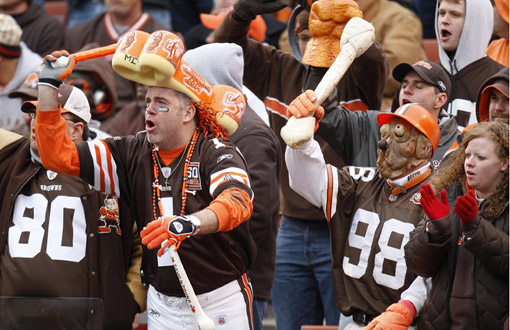
OK, I realize I have essentially thrown rotten tomatoes at Draft Day, but there’s a caveat. The movie was completely worth $11, because I grew up outside Cleveland. After attending church on Sundays, my family hurried home to worship the Cleveland Browns. My friend Jennifer and I laughed loudly at the local bar scenes, showing screaming fans wearing their jerseys and Dawg Pound face paint. Heck, I’d have paid even more to see that in 3-D.

I know it’s just a movie, but I feel excited about the Browns’ prospects this season. Watching Draft Day, I was reminded of my annual visits home. No matter where I go on weekends, I encounter long-suffering fans wearing brown and orange — regardless of the team’s abysmal record. The city is not nicknamed “Believeland” for nothing.

I hope to hang on to this warm, optimistic, nostalgic feeling — at least until the first snap of 2014.

Cleveland Browns fans in the end zone, also known as the Dawg Pound.


Blurred Lines

Boy holds Cleveland Indians baseball with Chief Wahoo logo. Cactus League, Scottsdale Arizona. March 16, 2014
Cactus League, Scottsdale Arizona. March 16, 2014

I recently blogged about Color Splash, a mobile app that allows users to wipe out color in a digital photograph, then add it back to specific sections for visual impact.  I had a blast with it, and expect to use if often now that I have the hang of it.

This weekend I tested another app: Big Lens. With a few swipes of a fingertip, it blurs or refines focus in digital images, creating the illusion of shallow depth of field.

I take a good portion of my photographs at the ballpark, with a long lens, so my aperture setting is often low to begin with.  Still, I was able to dig out a few exceptions and apply the Big Lens treatment. I got interesting results that are a bit more subtle than from Color Splash.

Big Lens also offers the ability to add focus light points in shapes like hearts and stars (Bokeh effect) to blurred sections. I only tried it in one photo here. Can you spot it?  Hint, I chose star shapes, but considered using hearts…

The biggest challenge with both apps is my lack of finger dexterity and precision. It’s difficult to stay within the borders of sections I’m highlighting — especially anything thin, like the brim of a ball cap.

If you are a Big Lens user, have you found a solution?

This slideshow requires JavaScript.

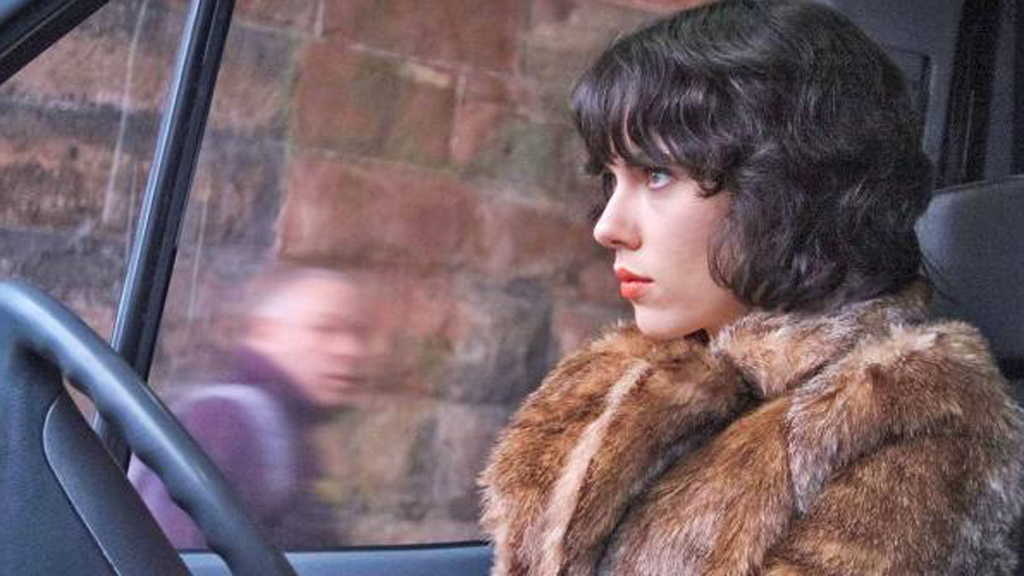
Under the Skin: Miss Scarlett’s Newest Is Like a Game of Clue

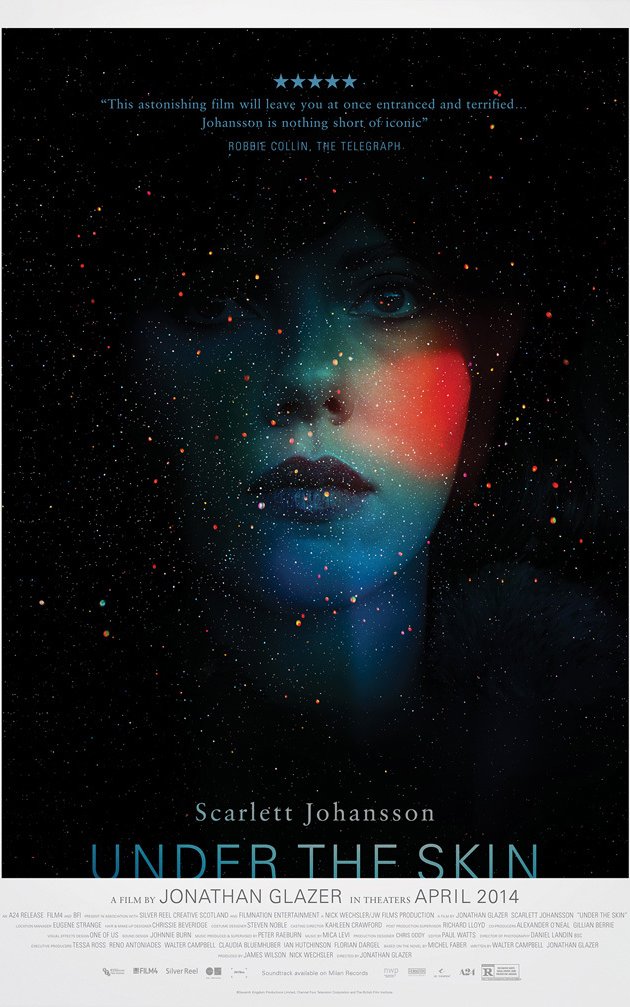
Movie poster for 2014 film "Under the Skin"This morning, I decided to have a chore-free Saturday. Well not exactly chore free, but I mostly spent a meandering day north of San Francisco in beautiful, sunny Marin County, checking off non-urgent items lingering on my to-do list. Charcoal filters for my compost bucket? Check. A new one-quart saucepan to replace the old one with the broken lid? Check, again.

I also visited multiple stores in search of, of all things, a new comb. Last weekend I somehow mislaid my cosmetic case, requiring a mopey trip to Sephora to replace the contents – so frustrating, and mighty pricey. Plus, who knew a good comb, like a good man, would be so hard to find?

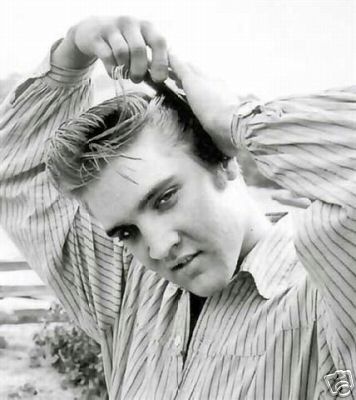
ElvisThe comb needs to be small enough to fit into my new, small cosmetics bag, with teeth that are smooth and thick enough to glide through my hair and across my scalp, without the sensation of being inspected for lice. I’m making do with a scratchy black Ace number that cost about $2, and I feel like I’m channeling Elvis whenever I use it.

Too bad I didn’t lose a hairbrush. If I had, I would have had dozens to choose from at any store. Apparently, Americans no longer comb. They brush.

Smack in the middle of my duties, I decided to catch a movie: Under the Skin, starring Scarlett Johansson. I’m not normally a Sci-Fi fan, but I gave it a shot because it is set in Scotland, and I’ve been feeling homesick for Britain of late.

I have never been so close to walking out of a film, yet afterwards felt so glad I stuck it out. (Alas, stunning shots of Scotland weren’t as plentiful as I’d hoped. And the Glaswegian accents were so thick, I could have used subtitles. If you’ve seen the movie, what the HELL was the bus driver saying?!?!)

I will not give away the plot here, because the pleasure of Under the Skin is piecing together scattered hints. It’s a bit like the neo-noir thriller Memento (2000), but more subtle. The story is extremely visual; there is so little dialogue, I suspect Scarlett learned all her lines in one afternoon.

The first 30 minutes or so really does plod along, as Johansson’s character cruises the streets of Glasgow looking for solo men to take home. While her agenda is murky, clearly it’s not sex she’s after. A pattern repeats itself with each guy, but every pick up provides a sliver of new visual information that will (for the most part) make sense later. There is no on-screen sex or violence, but from the get-go it’s pretty obvious that the men come to a terrible end.

About mid-way through the film, Scarlett’s character inexplicably changes her behavior – I wish I understood why, probably my biggest beef with Under the Skin – and that’s when the plot finally gets some traction. Honestly, I didn’t fully understand or appreciate what went down in the film, until I left the theatre and slipped behind the wheel of my car. I experienced mini revelations in every aisle of Whole Foods, and on the drive back to the city.

Scarlett Johansson gets her kit off at several points in the film, which by itself may be worth the price of admission for most male moviegoers. For my part, I must admit I was pleased to see a trim, healthy looking woman on screen for a change, instead of an undernourished marathoner. Scarlett Johansson has some meat on her bones, and she looks fantastic.. even if her character is incredibly spooky.

Have you seen Under the Skin? Or read the book? If so, let’s hear your review! If you catch the film after reading this, and find yourself frustrated by the pace and ambiguities… just remember the title.

Ahem, it’s a hint.


Promotional still from the 2014 film "Under the Skin" starring Scarlett Johansson